Key takeaways
- Compare the best wet dry vacuums for pottery studios by tank size, filtration and hose reach, for wet slip pickup and safer dry clay dust cleanup.
- Top Pick: Armor All AA255 2.5-Gallon Wet Dry Utility Vacuum
- Runner-up: Stanley SL18116P 6-Gallon Wet Dry Vacuum
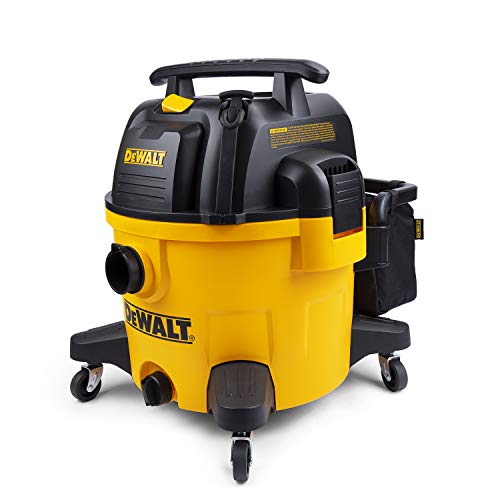
- Also consider: DEWALT DXV09P 9-Gallon Wet Dry Vacuum
A pottery studio produces two kinds of mess that an ordinary vacuum handles badly: liquid slip, slurry and glaze drips that need to be picked up wet, and dry clay trimmings that turn into airborne dust the moment they are swept. A wet dry vacuum covers both jobs with one machine. Run it wet and it pulls spilled slip and rinse water off the floor without raising a dust cloud. Run it dry with a fine dust filter bag fitted and it collects trimmings and floor grit while keeping far more of the fine fraction inside the tank than an open cartridge filter alone.
This roundup compares five wet dry vacuums sized for studio work, from a compact 2.5 gallon unit that lives under a workbench to a 16 gallon machine for shared teaching spaces. Every pick is a corded canister shop vacuum with a blower function, and each accepts the foam sleeve and fine dust filtration that clay cleanup calls for.
As an Amazon Associate, we earn from qualifying purchases.
Quick Answer
For most pottery studios, the Stanley SL18116P 6 gallon is the balanced pick: enough tank for a full cleanup session, a 4 peak HP motor, and a blower port for clearing shelves. Small studios should look at the Armor All AA255, while busy shared spaces are better served by the Vacmaster VJH1211PF 1101 or the 16 gallon CRAFTSMAN CMXEVBE17595.
Why Wet Pickup Matters More Than Raw Suction in a Studio
Dry clay dust contains respirable silica, and the way a mess is collected matters as much as the machine collecting it. Dry sweeping and compressed air push the finest particles back into the air, where they stay suspended for hours. Wet pickup avoids that entirely: slip, slurry and glaze water go into the tank as liquid, and nothing becomes airborne. That is why a wet dry vacuum, rather than a dry-only model, is the right category for a pottery space.
Two hardware details decide how well a model handles this work. The first is the foam sleeve, a washable foam filter that replaces or covers the dry filter during wet pickup so water does not damage the paper element. The second is dry-side filtration. A standard cartridge filter alone lets a visible puff of fine dust escape at startup; fitting a fine dust filter bag inside the tank captures most of that fine fraction before it reaches the cartridge, and emptying becomes far less dusty because the trimmings leave inside a sealed bag. Every model here supports both setups.
The picks below are ordered by studio size served, smallest first.
The 5 Best Wet Dry Vacuums for Pottery Studios
1. Armor All AA255: Best for Small Studios and Tight Budgets
The Armor All AA255 is the smallest machine here, built around a 2.5 gallon polypropylene tank that one person can carry to the sink with one hand even when it holds slurry. That portability suits a home studio or single-wheel workspace: it stores under a bench, comes out for a spill or an end-of-session floor pass, and empties in seconds. The 2 peak HP motor is modest on paper, yet through the short 6 foot hose it has plenty of pull for slip puddles, trimmings around the wheel and glaze drips near the dipping station.
It converts to a blower for clearing ware boards and kiln tops before loading. The small tank is not made for flooding or a full-studio mop-down, but as a budget studio-corner vacuum it covers the daily jobs well.
Specs:
- Tank capacity: 2.5 gallons, polypropylene
- Motor: 2 peak HP
- Power cord: 10 ft
- Hose: 6 ft
- Blower function: yes, converts to blower
- Filtration: reusable cloth filter and foam sleeve
- Included tools: 2-in-1 utility nozzle, crevice tool, detail kit
2. Stanley SL18116P: Best All-Round Mid-Range Pick
The Stanley SL18116P steps up to a 6 gallon tank and a 4 peak HP motor, the combination that suits a typical one- or two-wheel studio. The tank swallows a full session of trimmings plus a bucket of spilled slip without an emptying trip, and the motor keeps suction strong even as the filter bag loads up. Four casters let it roll between the wheel, the wedging table and the glaze area instead of being carried.
A rear blower port handles shelf dusting, and the included extension wands make it practical to vacuum under kilns and shelving where dust settles. It sits in the mid-range tier: stronger than the Armor All, without the footprint of the big machines below.
Specs:
- Tank capacity: 6 gallons, polypropylene
- Motor: 4 peak HP
- Power cord: 10 ft
- Hose: 6 ft flexible hose
- Blower function: yes, rear blower port
- Filtration: cartridge filter with foam sleeve for wet pickup
- Included tools: extension wands, floor nozzle, utility nozzle, crevice nozzle
3. DEWALT DXV09P: Best Premium Pick for Daily Studio Use
The DEWALT DXV09P is built for workshops that run every day, and that durability focus translates well to a busy studio. Its 9 gallon poly tank rides on rubberized casters, and the 5 peak HP motor delivers strong, consistent suction for wet slurry and dry cleanup alike. A built-in accessory storage bag keeps the nozzles on the machine, which matters in a shared space where attachments tend to wander.
The blower function clears reclaim areas and drying shelves, and the tank hits a sweet spot: large enough for a teaching studio’s evening cleanup, still manageable to lift to a sink when it holds mostly liquid. It is the premium option here, aimed at potters who run a vacuum daily for years.
Specs:
- Tank capacity: 9 gallons, polypropylene
- Motor: 5 peak HP
- Power cord: 10 ft
- Hose: crush resistant flexible hose
- Blower function: yes, built in
- Filtration: cartridge filter, accepts fine dust filter bags
- Mobility: rubberized casters, top handle, rear accessory storage bag
4. Vacmaster VJH1211PF 1101: Best Reach for Larger Studios
The Vacmaster VJH1211PF 1101 pairs a 12 gallon tank with the longest cleaning reach in this group. The 20 foot power cord and the 2-1/2 inch by 7 foot hose combine for a stated 27 foot cleaning reach, so the vacuum stays parked while the hose works around wheels, tables and shelving. The wide hose diameter is a genuine advantage with clay: bulky trimmings and dried chunks that would clog a narrow hose pass straight through.
A drain port at the base of the tank solves the slurry problem neatly, since liquid slip can be drained into a bucket or clay trap instead of being tipped and lifted. It also converts to a blower. For a multi-wheel studio or classroom space, this is the mid-to-premium workhorse of the list.
Specs:
- Tank capacity: 12 gallons, polypropylene
- Motor: 5.5 peak HP
- Power cord: 20 ft
- Hose: 2-1/2 in x 7 ft
- Cleaning reach: 27 ft stated
- Drain: built-in tank drain port
- Blower function: yes, converts to blower
- Included tools: 9 accessories with onboard storage
5. CRAFTSMAN CMXEVBE17595: Best Capacity for Shared and Teaching Studios
The CRAFTSMAN CMXEVBE17595 tops the range with a 16 gallon tank and a 6.5 peak HP motor, sized for studios where cleanup means several wheels, a glaze room and a reclaim corner in one pass. The oversized drain at the bottom of the tank matters most with clay: a full tank of slurry is far too heavy to tip safely, and the drain lets it flow out at floor level. The rear blowing port clears big areas quickly at the end of a class.
It ships with a filter, a dust bag, the hose and a full attachment set, so it is ready for wet and dry work out of the box, and the Qwik-Lock filter system makes swapping between the dry filter and the wet foam sleeve quick and tool-free. The tradeoff is size: it needs a parking spot, and it is more machine than a single home wheel setup requires.
Specs:
- Tank capacity: 16 gallons
- Motor: 6.5 peak HP
- Power cord: 20 ft
- Hose: 2-1/2 in x 7 ft
- Drain: oversized built-in drain
- Blower function: yes, rear blowing port
- Filtration: Qwik-Lock cartridge filter, dust bag included
How to Choose
Start with tank size matched to your cleanup pattern, not your floor area. A home studio vacuuming one wheel area at a time is well served by 2.5 to 6 gallons; a teaching studio emptying several stations at once should look at 12 gallons and up, ideally with a drain port, because liquid slip is heavy.
Next, plan filtration before the first use. Buy the foam sleeve for wet pickup and a pack of fine dust filter bags for dry work at the same time as the vacuum. The bags protect the cartridge filter from fine clay dust, extend its life, and turn emptying into a low-dust job.
Hose diameter decides how the machine handles trimmings: narrow hoses are fine for liquid and light debris, while a 2-1/2 inch hose swallows dried chunks without clogging. Finally, add cord and hose length together and check that reach covers the distance from your outlet to the farthest studio corner.
Who Should Skip a Wet Dry Vacuum
Potters whose main concern is continuous airborne dust during long trimming or sanding sessions should skip to a dedicated dust collector or an air purifier with a true HEPA filter instead; a wet dry vacuum is a cleanup tool, not a room air cleaner, and it only runs while you clean. Studios with no wet messes at all, such as hand-building-only spaces that already control dust with damp mopping, may also find one more machine than they need. And anyone expecting household-vacuum quiet should look elsewhere: every model here is a shop vacuum, with the noise level that comes with the category.
Frequently Asked Questions
Can a wet dry vacuum pick up liquid slip and slurry?
Yes. Fit the foam sleeve in place of the dry filter, remove any filter bag, and the vacuum draws liquid straight into the tank. Models with a drain port, like the Vacmaster and the CRAFTSMAN here, make emptying heavy slurry much easier.
Is it safe to vacuum dry clay dust with a shop vacuum?
It is far safer than dry sweeping, provided a fine dust filter bag is fitted inside the tank. The bag captures the fine fraction and keeps it contained when emptying. Without one, a standard cartridge filter alone lets fine dust puff back out at startup.
What size wet dry vacuum does a home pottery studio need?
A 2.5 to 6 gallon model covers a single wheel and workbench area comfortably. Larger tanks earn their keep in shared studios, where several workstations are cleaned in one session and a drain port saves lifting slurry.
How often should the filter be cleaned or replaced?
Rinse the foam sleeve after wet sessions and let it dry fully before dry use. Shake or rinse the cartridge filter when suction drops, and replace filter bags when they are about two thirds full, since an overfilled bag is the most common cause of weak suction.
Final Verdict
For a single all-purpose studio machine, the Stanley SL18116P is the pick to beat: its 6 gallon tank, 4 peak HP motor and blower port cover wet and dry cleanup without wasted size. Small studios save money and space with the Armor All AA255, daily heavy use justifies the DEWALT DXV09P, and larger shared spaces should step up to the long-reach Vacmaster VJH1211PF 1101 or the drain-equipped 16 gallon CRAFTSMAN CMXEVBE17595. Whichever size fits, pair it with a foam sleeve and fine dust filter bags from day one; that combination, not motor size, keeps clay dust out of the air.