
Key takeaways
- Compare the best pottery rib tools for throwing and handbuilding, from flexible polymer and silicone ribs to beech wood sets, with specs and firmness tips.
- Top Pick: Mudtools Shape 1 Polymer Rib, Green Medium
- Runner-up: Mudtools Shape 1 Polymer Rib, Green Medium
- Also consider: Mudtools Shape 0 Polymer Rib, Red Very Soft
A pottery rib is the small, flat shaping tool that does much of the quiet work at the wheel: it compresses the clay wall, lifts a cylinder into a curve, smooths throwing lines, and cleans up the inside of a bowl in a single pass. Because a rib is in contact with the clay on nearly every pull, its material, firmness, and edge profile have an outsized effect on the finished surface. A rib that is too stiff can gouge soft clay, while one that is too soft will fold instead of shaping a firm wall.
This guide compares five rib tools that cover the main material families potters actually use: flexible polymer ribs from Mudtools, an ultra-soft silicone pair from IMPRESA, and a textured beech wood set. Each pick is a dedicated rib or rib set, not a general clay tool kit, and each was chosen for a distinct job, from everyday throwing to rim finishing and small detail work.
As an Amazon Associate, we earn from qualifying purchases.
Quick Answer
For most throwers, the Mudtools Shape 1 Polymer Rib in Green Medium is the most useful rib: the classic kidney profile and medium firmness handle opening, shaping, and smoothing in one tool. The same Shape 1 in Red Very Soft is the finishing specialist for rims and delicate walls, the smaller Shape 0 covers detail work, IMPRESA adds ultra-soft silicone, and the Alckijy beech wood set suits texture and handbuilding.
1. Mudtools Shape 1 Polymer Rib, Green Medium
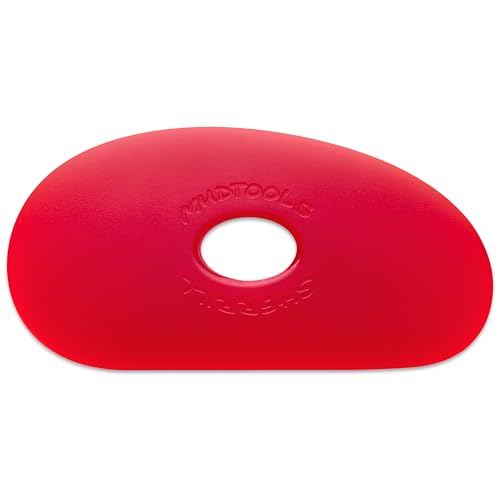
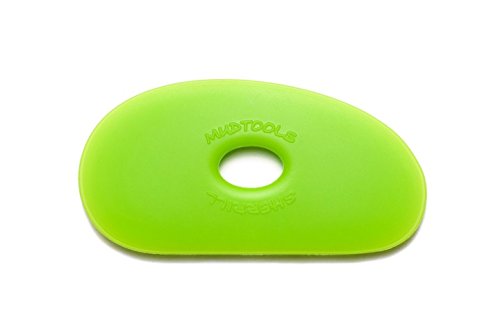
The Shape 1 is the traditional kidney-shaped rib, sized in the middle of the Mudtools range so it suits the widest span of forms, from mugs and bowls to medium cylinders. The green polymer is the medium firmness in the Mudtools color system, which makes it the natural default: firm enough to compress and shape a wall with authority, yet flexible enough to follow a curve without digging in. The proprietary polymer blend is known for resisting cracks and burrs, and the edge tends to polish itself smoother with use rather than roughening.
This is the rib to reach for during the main shaping pulls, when you are establishing the profile of a piece and removing throwing lines before a final finishing pass with something softer.
Specs
- Brand: Mudtools (Sherrill)
- Model: G1
- Material: Flexible polymer
- Firmness: Medium (green color code)
- Shape: Kidney, Shape 1 profile
- Size: 3.5 x 1.75 inches
- Origin: Made in the USA
- Tier: Premium
2. Mudtools Shape 1 Polymer Rib, Red Very Soft
The red version of the Shape 1 keeps the same versatile kidney profile but swaps in the softest standard firmness in the Mudtools line. That extra give is exactly what you want at the end of a throwing session: the rib floats over the surface, levels small ridges, and rounds a rim without pulling the wall out of shape. Potters commonly keep a red rib reserved for finishing because it is gentle on thin, delicate walls that a medium or firm rib could distort.
Because it flexes so readily, it is less suited to heavy shaping or compressing a thick base. Treat it as the last tool to touch the piece rather than the first.
Specs
- Brand: Mudtools (Sherrill)
- Model: R1
- Material: Flexible polymer
- Firmness: Very soft (red color code)
- Shape: Kidney, Shape 1 profile
- Size: 3.5 x 1.75 x 0.14 inches
- Origin: Made in the USA
- Tier: Mid-range
3. Mudtools Shape 0 Polymer Rib, Red Very Soft

Shape 0 is the smallest rib Mudtools makes, a compact kidney that fits into narrow necks, small cups, and tight interior curves where a full-size rib simply cannot reach. It shares the red very soft polymer of its larger sibling, so it finishes as it shapes, and its small footprint makes it a natural detail tool for handbuilding as well: smoothing joins inside a small box, refining a pinch pot, or cleaning the inside of a teacup.
The trade-off is coverage. On a large bowl or platter the Shape 0 will take many more passes than a bigger rib, so it works best as a companion to a standard-size rib rather than a replacement for one.
Specs
- Brand: Mudtools (Sherrill)
- Model: R0
- Material: Flexible polymer
- Firmness: Very soft (red color code)
- Shape: Small kidney, Shape 0 profile
- Size: About 2.75 inches long
- Origin: Made in the USA
- Tier: Budget
4. IMPRESA Soft Rib for Pottery, Pack of 2
IMPRESA takes a different material route: these ribs are molded from ultra-soft silicone rather than polymer, in a two-pack of kidney-style ribs for smoothing and shaping. Silicone has a slightly grippy, cushioned feel against wet clay, and the very soft flex is designed to erase finger marks and throwing lines without cutting into the surface. The material is also easy to rinse clean and does not absorb water, so the ribs stay consistent from session to session.
A two-pack is practical for a shared studio or a beginner building a first tool roll, since one rib can live at the wheel while the second stays with handbuilding work.
Specs
- Brand: IMPRESA
- Model: 3888
- Material: Silicone
- Firmness: Ultra-soft / very soft
- Shape: Kidney-style smoothing ribs
- Count: Pack of 2 ribs
- Use: Wheel throwing and handbuilding
- Tier: Mid-range
5. Alckijy Pottery Ribs 6 Pack, Solid Beech Wood

Wood is the oldest rib material, and this six-piece set leans into what wood does best: texture and foot shaping. Each beech wood rib carries four distinct textured edges, so a single tool can smooth a wall, comb a pattern, or shape a foot, and the six ribs vary the profiles further. Solid beech is dense and durable, with a warm, grippy feel that many handbuilders prefer over slick polymer, especially for slab work, plaster molds, and sculptural forms.
Wood does ask for a little more care than polymer or silicone: rinse it promptly and let it dry fully between sessions rather than leaving it soaking in a water bucket, which can raise the grain over time.
Specs
- Brand: Alckijy
- Model: HG01
- Material: Solid beech wood
- Count: 6 ribs
- Edges: Four textured edges per rib
- Size: About 3.15 inches per rib
- Use: Trimming, foot shaping, texture, handbuilding
- Tier: Budget
How to Choose
Start with material. Polymer ribs, like the Mudtools line, are the all-rounders: flexible, durable, and consistent wet or dry. Silicone ribs are the softest option and excel at final smoothing. Wood ribs offer the most edge variety and texture, and many potters prefer their feel for handbuilding, but they need drying time between sessions. Metal ribs are a fourth family, best reserved for scraping and rigid shaping rather than gentle finishing.
Match firmness to the job. Firm ribs move and compress clay; soft ribs finish it. If you buy only one rib, a medium firmness in a standard kidney shape covers the most ground. If you buy two, pair that medium rib with a very soft one for rims and final passes. Color codes help here: within the Mudtools system, red is very soft and green is medium, so you can identify firmness at a glance in a crowded tool caddy.
Pick a shape that fits your forms. The kidney profile is the universal starting point. Go smaller, like the Shape 0, if you throw small ware or need to work inside narrow forms. Go larger or choose a bowl rib profile if you mostly throw wide bowls and platters, where a longer curve contacts more clay per pass.
Count edges, not just tools. A textured wood set can replace several single-purpose tools for surface decoration, while a plain-edged polymer rib is the better choice when a clean, unmarked surface is the goal.
Who Should Skip These Ribs
Skip this roundup if you are shopping for a complete starter kit: the site already covers full clay tool sets, and a rib alone will not give you a wire cutter, needle tool, or trimming tools. Also skip flexible ribs if your work is mostly carving and sgrafitto at the leather-hard stage, where loop and ribbon tools do the cutting. Finally, if you throw almost exclusively large, thick-walled pieces, a single small rib will frustrate you; look at larger bowl and platter profiles instead of the compact shapes featured here.
Frequently Asked Questions
What is a pottery rib tool used for?
A rib shapes, compresses, and smooths clay while throwing or handbuilding. Held against the wall of a pot, it defines the profile, removes throwing lines, and strengthens the wall by compressing the clay particles. Inside a bowl, a rib sweeps the curve clean in one pass.
Which rib firmness is best for beginners?
A medium-firm rib in a standard kidney shape is the most forgiving first purchase, because it shapes and smooths reasonably well. Add a very soft rib second for finishing rims, since beginners tend to distort thin walls when they try to finish with a stiff tool.
Are wooden or polymer ribs better?
Neither is better in absolute terms. Polymer ribs are more durable, stay smooth, and can live in a wet splash pan. Wooden ribs offer more edge profiles and textures and feel warmer in the hand, but they should be dried between sessions. Many studios keep both.
How do I care for pottery ribs?
Rinse ribs after use and wipe them dry. Keep polymer and silicone ribs out of prolonged direct sunlight, store wooden ribs dry rather than soaking, and check edges occasionally for nicks. A nicked edge can be smoothed on fine sandpaper for wood, while a damaged polymer edge usually means retiring the rib.
Final Verdict
If you are building a rib collection from scratch, start with the Mudtools Shape 1 in Green Medium as your everyday throwing rib, then add the Red Very Soft version of the same shape for finishing. The Shape 0 covers small and detailed work, the IMPRESA silicone pair is the soft-touch alternative for mark-free surfaces, and the Alckijy beech wood set is the pick for texture, foot shaping, and handbuilding. Together, these five cover every rib job a typical studio session involves.









